Open-world and RPGs all seem strangely similar these days: medieval-looking villages, quest boards to pick up new missions, some sort of mount to cover long distances, and the promise of being the hero, free to do whatever I want.
Except that, between gathering herbs, visiting merchants, and managing my inventory, the heroic fantasy takes a hit. The hero is handed an endless list of chores.
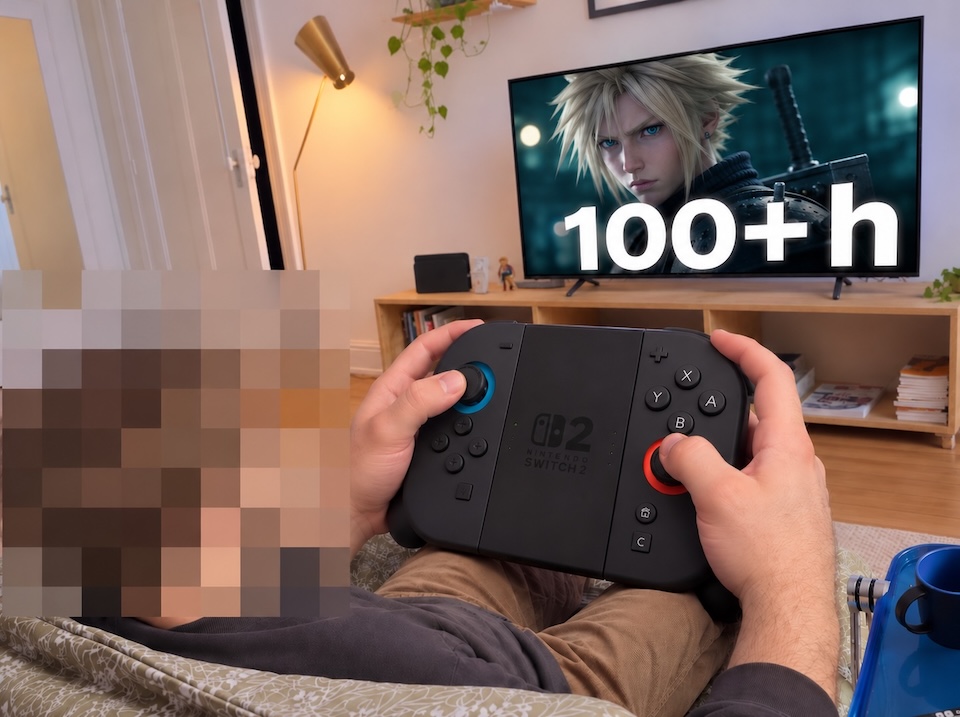
I’ve never been a hardcore gamer. Platformers stress me out. I’m more of a casual one who enjoys playing without getting too invested. And yet, since getting my Switch 2, I’ve returned to more demanding games, RPGs like Final Fantasy VII Rebirth, The Witcher 3, and Fire Emblem.
I play them for hours. And I wonder: do I even enjoy open worlds and RPGs?
Video games are getting longer, and their mechanics are becoming more complex, as if developers wanted players to prove their commitment. It’s the IKEA effect, or something like it: the idea that the more effort you put into something, the more you come to value it. The chore of figuring it all out becomes a way to keep you coming back.
It’s almost impossible to complete an open-world game without consulting wikis and watching fan-made YouTube videos. Paper manuals are a thing of the past, leaving players to do their homework. The more research I do, the more hooked I become.
I explore open worlds, trying not to get overwhelmed by side quests. But how do I know which ones are truly optional? Will they help me complete the main quest? Will they make my life easier later on, or reveal cutscenes I absolutely shouldn’t miss? By maintaining this ambiguity, games turn the promise of freedom, of choosing my own destiny, into a completionist nightmare.