The Replay Factory continuously generates AI-produced 3D environments from memories, dreams, and shared inquiries. The work explores generative space as an opportunity for gathering, therapeutic reflection, and creativity.
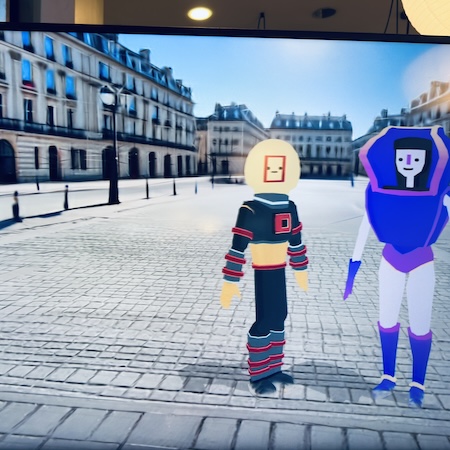
Audiences can either watch these scenes unfold on a screen or navigate the generated environments themselves, circling through them repeatedly as a way of celebrating, reflecting, exploring, or reenacting the many dimensions of a chosen theme.
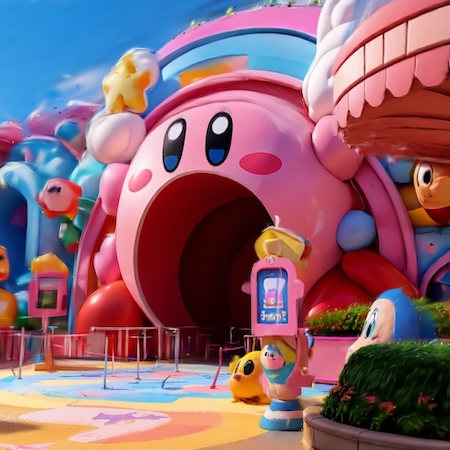
The factory operates through live, site-specific sessions that invite participants to contribute to the prompting process. Conversations and the particular qualities of a place become the raw material from which a network of AI agents generates 3D worlds, digital artifacts, and dialogues. These outputs are rendered on screen, allowing participants to witness the scenes take shape in real time.
Rather than telling a coherent story, the work unfolds as a fragmented experience filled with repetition, weirdness, and the occasional comic detour. Scenes, dialogues, and artifacts circle back and fold into one another, revealing the underlying statistical logic of the model in a mesmerizing way.
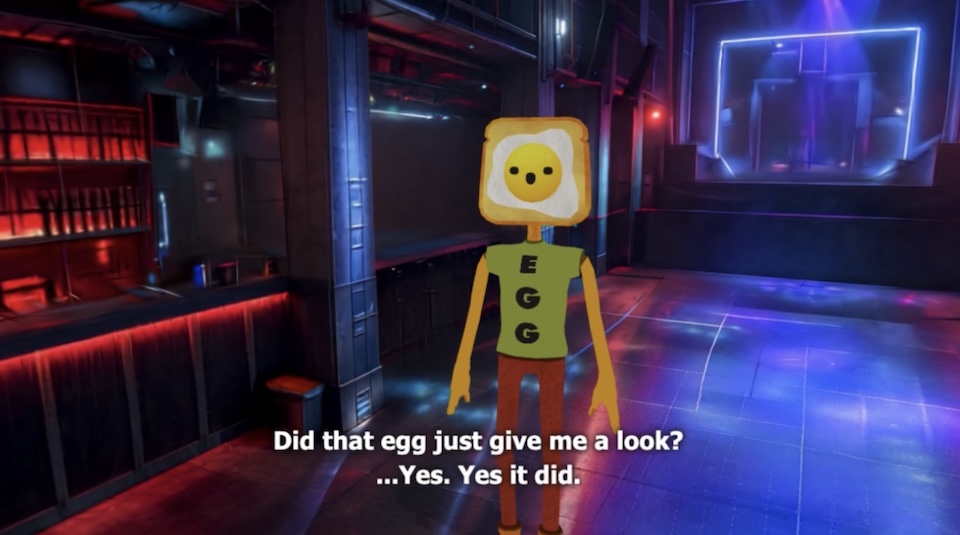
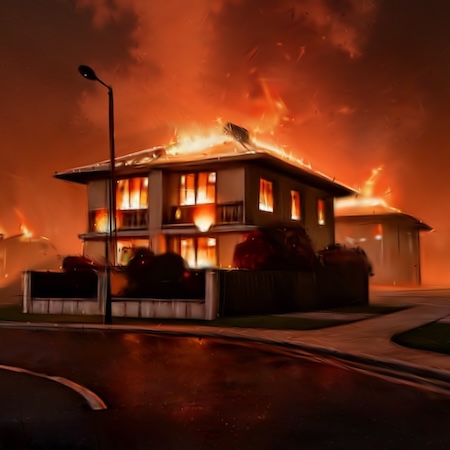
The AI generates no events. It repeats and recombines statistical patterns rather than producing genuine occurrences. The real event is the shared impulse to come together and keep revisiting what matters to us. The project explores this dynamic across different contexts—whether revisiting a memory, seeking closure, preserving something from disappearance, responding to current events, creating a moment of communal reflection, or imagining possible futures.
The wanderings of AI reflect our own. Its digressions mirror the mediated, individual, and collective ways we engage with the things we want to revisit, commemorate, celebrate, or reenact. Through repetition, variation, and fragmentation, the replay gradually loosens the coherence of any single, overarching narrative.
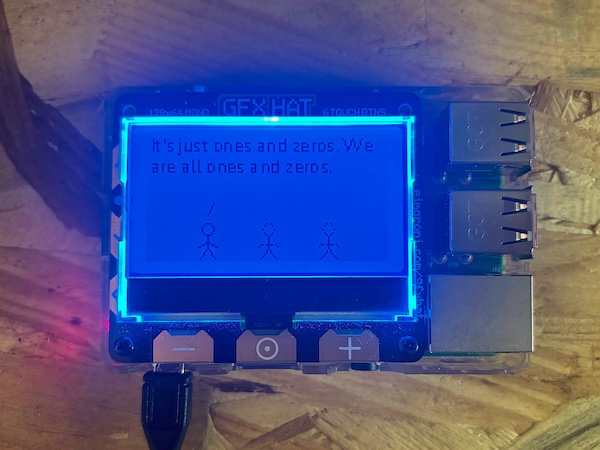
Audiences encounter the project on three modalities: a small luminous Replay Machine mounted on the wall, a silent looping projection of generated 3D scenes, and navigable virtual environments accessible from their own mobile devices.
Moving images navigate through AI-generated worlds in a cinematic manner, drifting between landscapes, dialogues, and digital artifacts.
Visitors connect via QR codes displayed on the Replay Machine and explore the generated environments directly through their mobile browsers.
Carbon Footprint
Approximately 2.4 kg CO₂ for a four-minute looping video generated during a two-hour session — equivalent to roughly 20 km driven in an average gasoline car, or approximately 20 hours of HD video streaming.
- Worlds (8× WorldLabs): ~230 g CO₂ per world
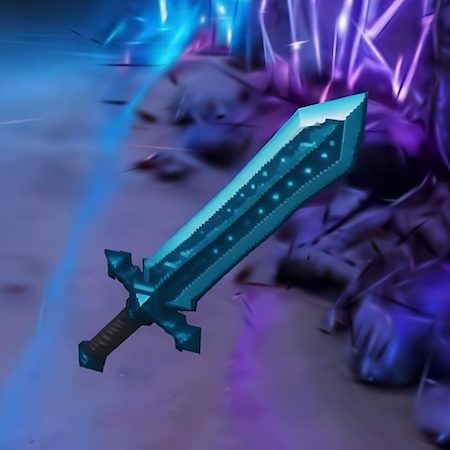
- Props (8× Hunyuan 3D): ~12 g CO₂ each
- Scripts (40× Claude Code): ~1.5 g CO₂ per script
Models and Libraries
The project uses a combination of proprietary AI models, open-source technologies, and artist-developed software. All third-party technologies and assets are used in accordance with their applicable licensing terms and conditions.
- 3D Gaussian splat environments generated with World Labs
- 3D models generated with Hunyuan3D
- Dialogues and scripts generated using Claude Code
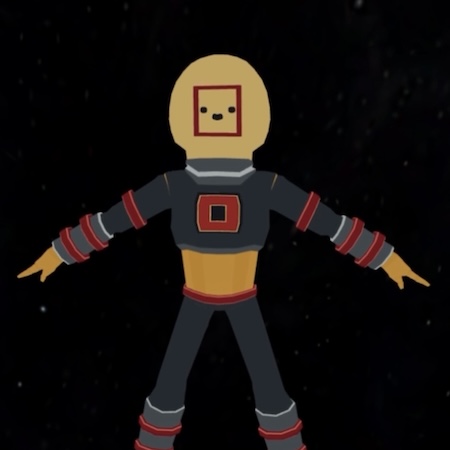
- Humanoid virtual reality avatars sourced from Open Source Avatars
- Immersions, an open-source WebXR framework developed by the artist, used to assemble and present the navigable environments